Expert Batproofing Services
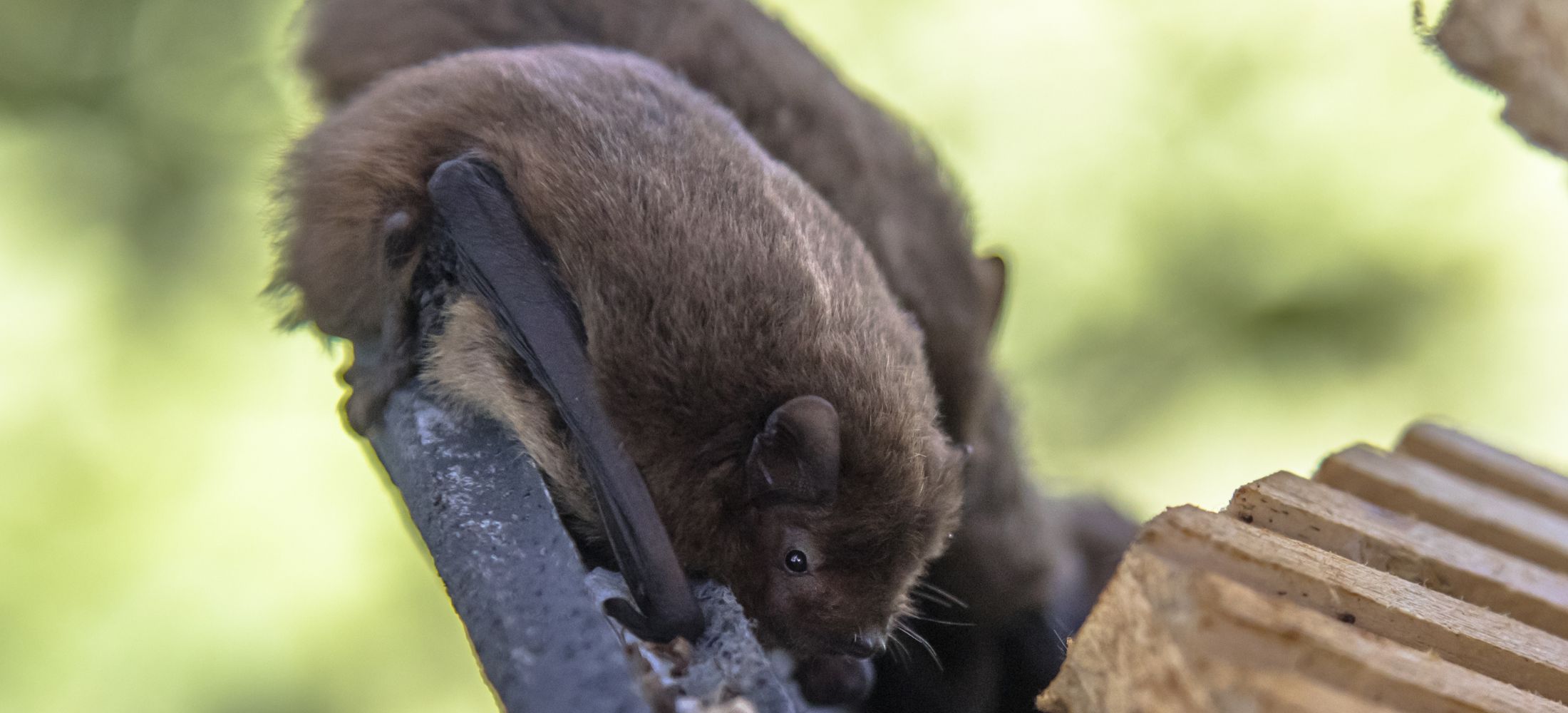
Ready to take the first step in securing your home from bats? Contact us today for expert Bat Proofing Services in Minnesota. Our licensed team of experienced individuals are here to provide you with a free estimate, answer any questions you may have, and give you peace of mind. Let’s make your home bat-free!
Professional Batproofing Services
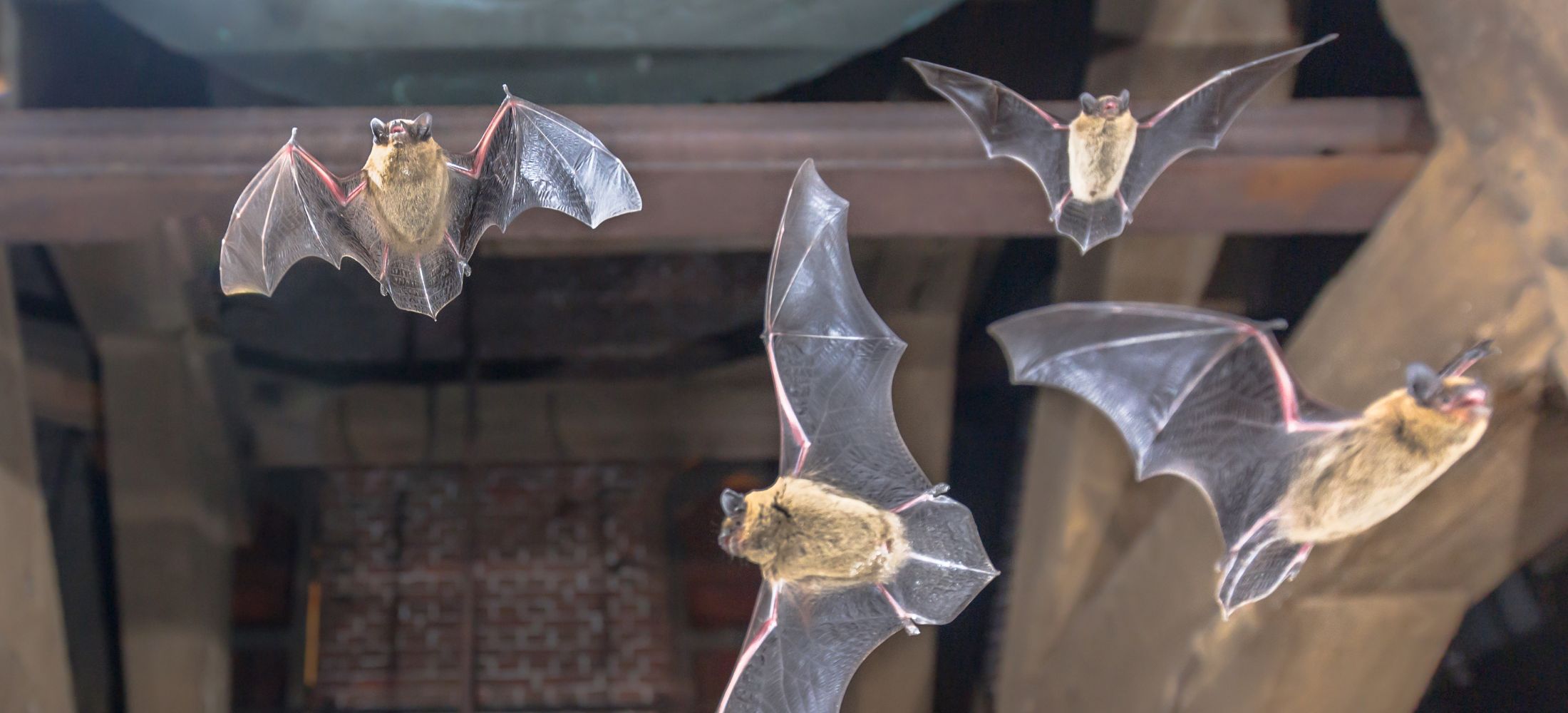
Explore our comprehensive bat proofing services page to discover how Exclusive Bat Proofing has safeguarded homes in Minnesota for 35 years. With our specialized expertise and commitment to customer satisfaction, we provide effective, humane solutions backed by a 3-year warranty. Don’t let bat problems linger—visit our services page today for a free estimate.
About Us
Meet the team behind Exclusive Bat Proofing, serving Minnesota for over three decades. Learn about our passion for bats, our commitment to effective, humane removal, and our dedication to customer satisfaction. Discover why thousands of satisfied customers trust us for their bat proofing needs.
Bats play a crucial role in the ecosystem by controlling insect populations and pollinating plants. One brown bat can eat as many as 500-600 mosquitoes an hour. A colony of bats can eat 100’s of thousands of mosquitoes a night. That’s great, right? Yes, but not when they decide to make your home or property their home. This is when bat proofing in Minnesota is necessary. Exclusive bat Proofing has been solving people’s bat problems since 1989; contact us today at (888) 989-2269 for a free estimate.
What Is Bat Proofing?
Bat proofing is the process of preventing bats from entering and roosting in buildings. In Minnesota and surrounding states where bats thrive, implementing effective bat proofing measures is crucial for the health and safety of home and property owners.
Bat proofing must be carried out from the house’s exterior; as bats like to enter our homes in hard-to-reach places, this usually involves substantial risk. There are eight species of bats in Minnesota. One of these – the northern long-eared bat – is a protected species. The little brown and tri-colored bats are being considered for protection and already have a level of state protection in Minnesota.
This makes bat proofing your property even more difficult as specific methods must be used to be ‘bat-friendly’. The MN Dept. of Natural Resources recommends using a pest controller that uses non-lethal, non-chemical methods to permanently exclude bats or for bat remediation.
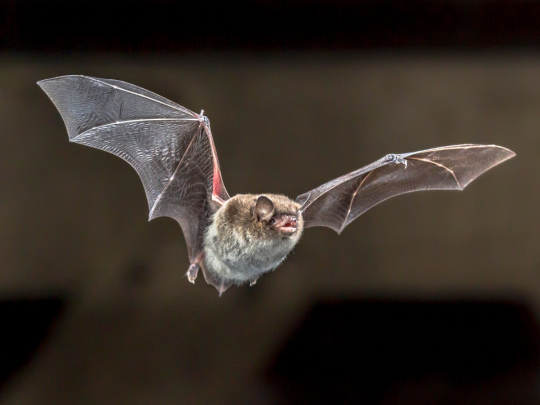
How Do We Remove Bats?
Exclusive Bat Proofings’ bat-friendly exclusion process was developed in the 1970s by the nation’s leading bat specialists, Marshall Hanks and Dr. Merlin Tuttle. They later established Bat Conservation International, based in Austin, Texas.
Our method allows the bats to exit the structure through a one-way device we make onsite for each situation, called the Excluder. We mount the bat excluder at the exit points being used, permitting them to leave the structure for feeding (every night or two) without any hindrance.
Bats tend to live about 30 years and are reluctant to change living quarters. For this reason, all other possible re-entry sites need to be sealed, preventing the bats from finding a new way in. This includes cracks larger than ¼” wide (the width of a pencil) by 1” long. Within a few days, the resident bats will exit through the bat excluders and, unable to re-enter, will move on to a new home.
Bat Proofing Guarantee
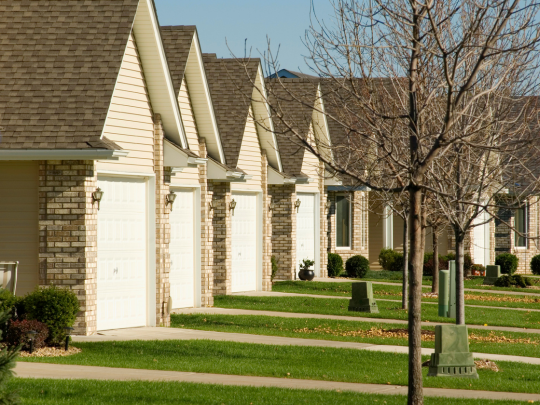
Exclusive Bat Proofing guarantees that once we bat proof your home, you will be bat free. The bats will re-enter the building and return home if we miss possible entry sites. This is why, although we have a less than 3% callback rate, we give homeowners a 3-year warranty/service period. If there is a recurrence during this time, we will return and take care of the problem at no further charge to you. Our bat proofing will remain effective and permanent as long as the exterior of your home remains unchanged.
We have been bat proofing Minnesota homes for nearly 35 years. No travel fees are charged, and the cost is based on the physical aspects of the property. We have a reputation for honesty, and if no evidence of an infestation is found, we will tell you and only charge our inspection fee. For a free estimate and further information on how to get your home bat proofed, call (888) 989-2269 now.
Just had our place bat proofed by Exclusive Bat Proofing out of Raymond, MN. Can’t recommend them enough! From the informative, friendly phone calls to them fitting us in their busy schedules, I was incredibly impressed even before they came out. We’re now comfortably sealed up everywhere, and have the TWO highly trafficked entrances excluded. Also much more reasonable price-wise compared to other options!
Jennifer Streblow
Why Is Bat Removal Necessary?
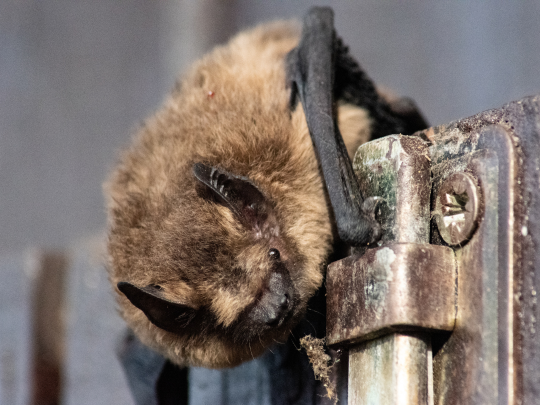
Bats living in structures can cause several problems, including damage to property, possible health risks, noise disturbance, and odor problems. Many bat species can carry diseases such as rabies and histoplasmosis. Histoplasmosis is a respiratory infection caused by inhaling fungal spores from droppings of bats (guano), starlings, pigeons and poultry.
Rabies is another disease that bats can carry. According to cdc.gov, ‘contact with infected bats is the leading cause of human rabies deaths in this country; at least 7 out of 10 Americans who die from rabies in the U.S. were infected by bats’. We are not trying to scare anyone by this, as it is estimated less than 1% of bats in nature are affected by rabies. Bats rarely attack people and generally only bite in self-defence.
Common Bat Species in Minnesota
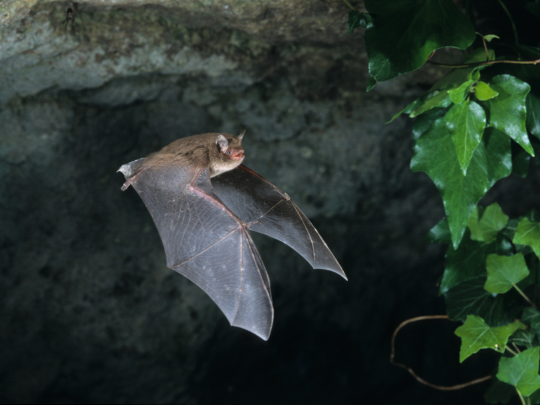
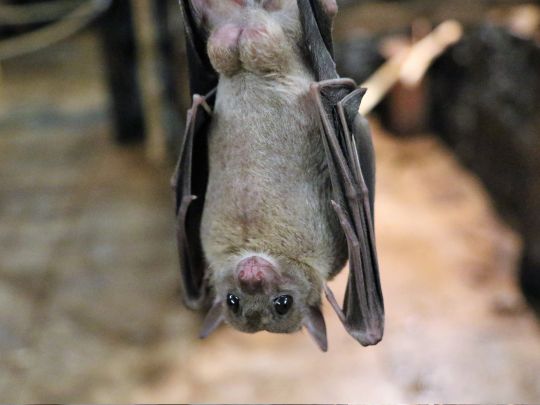
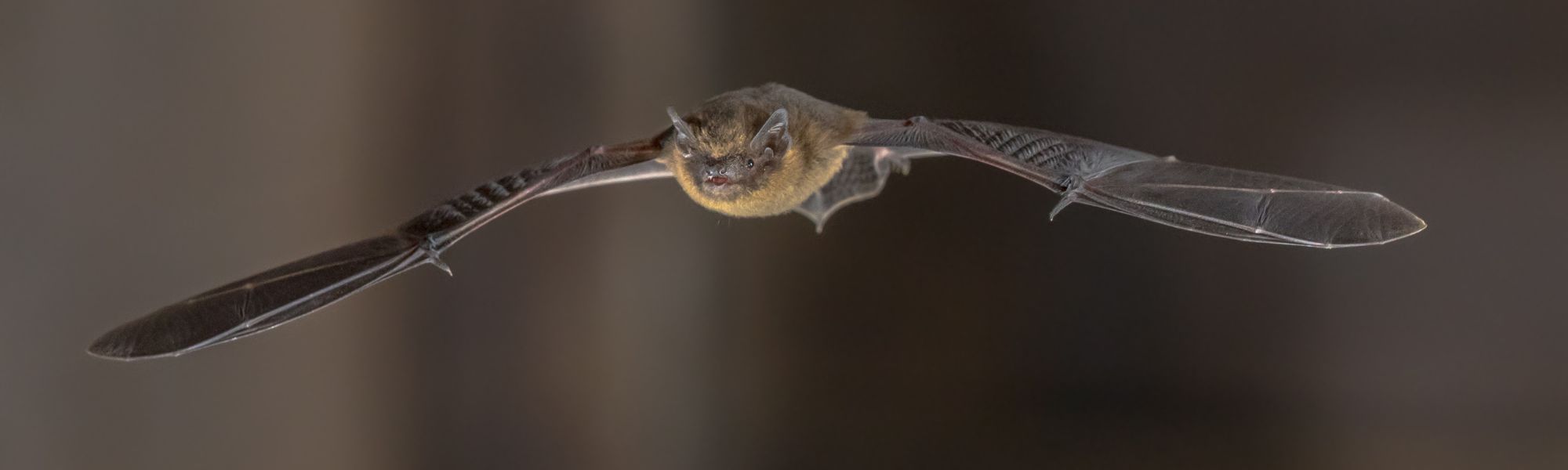
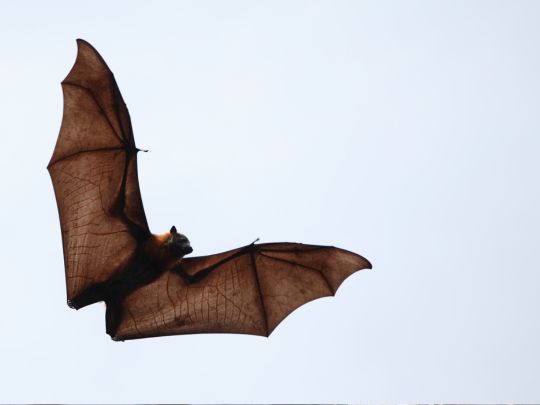
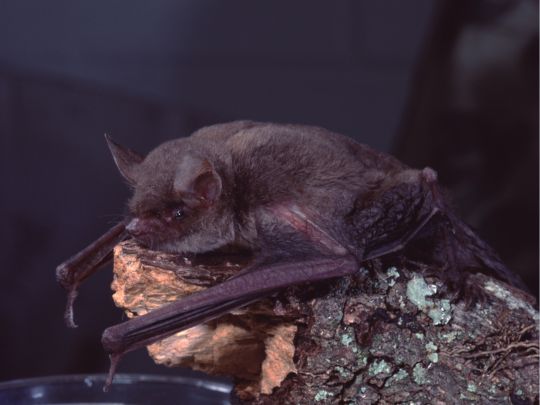
Three of the eight species of bats in our area are tree dwellers and have little or no interaction with man. The other five species of bats found in Minnesota are cave dwellers, and unfortunately, our homes appear to bats as a large, convenient cave.
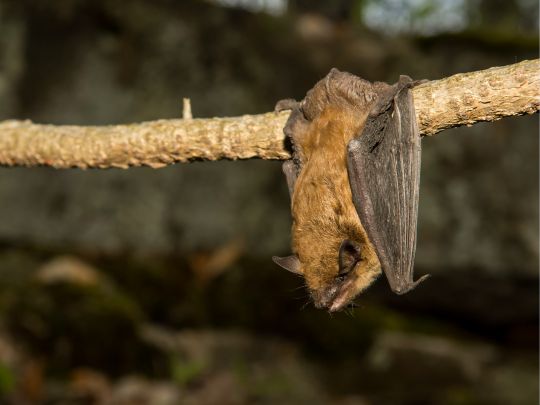
The two species of bats that cause the most problems in Minnesota are the Large or Big Brown Bat (Eptesicus fuscus) and the Little Brown Bat (Myotis lucifugus). Understanding the habits and characteristics of these species is crucial for effective bat proofing.
Methods of Bat Proofing
Sealing Entry Points
One of the primary steps in bat proofing is identifying and sealing potential entry points. Bats can squeeze through small openings, so it is essential to inspect the exterior of the building for gaps, cracks and holes. Common entry points include attic venting, rooflines, chimneys, soffit and facia. Sealing these with caulk, mesh, and other appropriate materials helps prevent bats from gaining access.
Installing Bat Exclusion Devices
Bat exclusion devices are designed to allow bats to exit a structure but prevent them from re-entering. We use our own bat excluder device, which is a humane way to allow bats to leave the structure and find an alternative home.
Protecting Your Home
Attics and interior walls are attractive roosting and hibernating spots for bats, providing warmth and seclusion. To bat proof attics, homeowners can install screens or netting over openings, ensuring proper ventilation while keeping bats out. Inspecting and maintaining attic spaces regularly is crucial to promptly catch and address any issues.
Benefits of Bat Proofing
There are many benefits, such as preserving structural integrity. Bats can cause structural damage to buildings through their urine and droppings, which are acidic and can corrode materials over time. Bat removal prevents costly repairs and ensures the longevity of your building.
Another benefit of bat proofing in Minnesota is reducing health risks. We have already discussed the health problems that bats can cause, and removing them is better for you and your family’s health. A final benefit and often overlooked one is an ecological one. Bats help keep down mosquito and other insect infestations and are essential to pollinating peaches, cloves, bananas and agaves.
According to the U.S. Fish & Wildlife Service, ‘Recent studies estimate that bats eat enough pests to save more than $1 billion per year in crop damage and pesticide costs in the United States corn industry alone.’ They also state, ‘Fruit-eating bats can account for as much as 95% of the seed dispersal responsible for early growth in recently cleared rainforests.’
Sadly, many bats are needlessly killed each year. On top of this is a fungal disease called white-nose syndrome, which has killed more than 5 million bats in North America since its discovery in 2006. This has led to a massive decline in bats, and protective measures have been placed on them.
If you need bat proofing but want it done in a humane and bat-friendly way, contact us today at (888) 989-2269. It is more than just a job to us as we genuinely care for the welfare of bats. We take pride in our work and strive to make sure every customer is treated the way we would like to be treated.
This customer-focused service means we get very few warranty calls, which makes us proud and satisfied. We have bat proofed 1000’s of homes over the past 35 years and been awarded an A+ by the Better Business Bureau. Our company has also been featured in many local newspapers and The Wall Street Journal.
How To Choose a Bat Proofing Expert
If you are looking for a safe and effective means to remove bats from your home or property, here are some things to keep in mind:
Research well before choosing a bat proofing company. Many companies use scare tactics and temporary solutions that leave homeowners with recurring problems and unnecessary expenses. Do not be fooled by claims of experience and anonymous referrals; ask specific questions. Do they carry a pest control license with the state of Minnesota? You can also check to see if they have a website, read their Google reviews, and verify with the Better Business Bureau if they are an accredited business.
Be informed of the process. If you want to try DIY bat proofing, legal and safe deterrents can be found on the MN DNR website here. (MN DNR – Bat Repellents).
According to the Department of Natural Resources, exclusion is the only consistently successful solution for effective bat removal. No other product, chemical, or process can offer a safe, permanent solution. Be wary of bat proofing companies offering to remove your bats with a ‘quick, cheap method’. Also be wary of companies that struggle to answer your questions or try to sell you on unnecessary services beyond bat proofing. Generally, attic remediation and cleanup is only necessary in severe cases wherein a home has had a large population of bats living there for a prolonged period of time. – This cannot be determined by a phone call. In addition, attic remediation doesn’t address bat droppings in the interior walls of the home where bats spend most of their time in the winter months.
Bat proofing must be done from the exterior and often at heights. This requires a significant amount of risk and effort. Many deaths are recorded each year in the U.S. from falls from heights, and it is always recommended to get a specialist to do dangerous work.